6 Editing Lessons from Stanley Kubrick
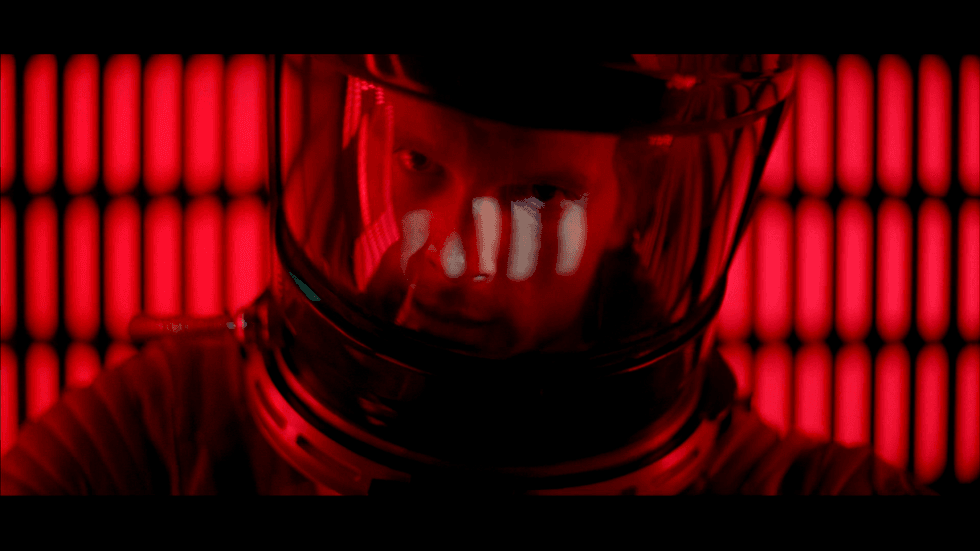
There's a famous adage within filmmaking that says you "make" a film three times, most famously attributed to French filmmaker Robert Bresson. The statement essentially means a movie is completely reinvented at different stages of creation—first in writing, then in direction, and again in the edit.
Because of what can change at each stage, some filmmakers prefer to be involved during all three so the creative vision stays consistent across the process. Stanley Kubrick, a notorious perfectionist, was one such filmmaker, who was particularly involved during post.
In a new video essay, Rory Anderson of RorZFilms breaks down Kubrick’s editing across six films.
Kubrick loved the editing room. He told Sight and Sound in 1972 that editing was the only part of the art form that is unique to the process. He liked writing but hated production for the variables that could hinder him (via Far Out Magazine).
"Editing is the only aspect of the cinematic art that is unique," he said. "It shares no connection with any other art form: writing, acting, photography, things that are major aspects of the cinema, are still not unique to it, but editing is."
Check out Anderson's video below for more.
- YouTubewww.youtube.com
Let One Cut Do the Work of a Scene
In 2001, there's a famous match cut in which a falling bone "becomes" a flying spacecraft. It's not exactly clean, especially by modern standards, but it still works. The bone-to-satellite match cut jumps millions of years in one edit by matching the motion and shape of the two objects.
…
Read the full story at No Film School
Related stories
Editing · No Film School