How Fincher and Tarantino Carved Down a 230-Page Script for ‘Cliff Booth’
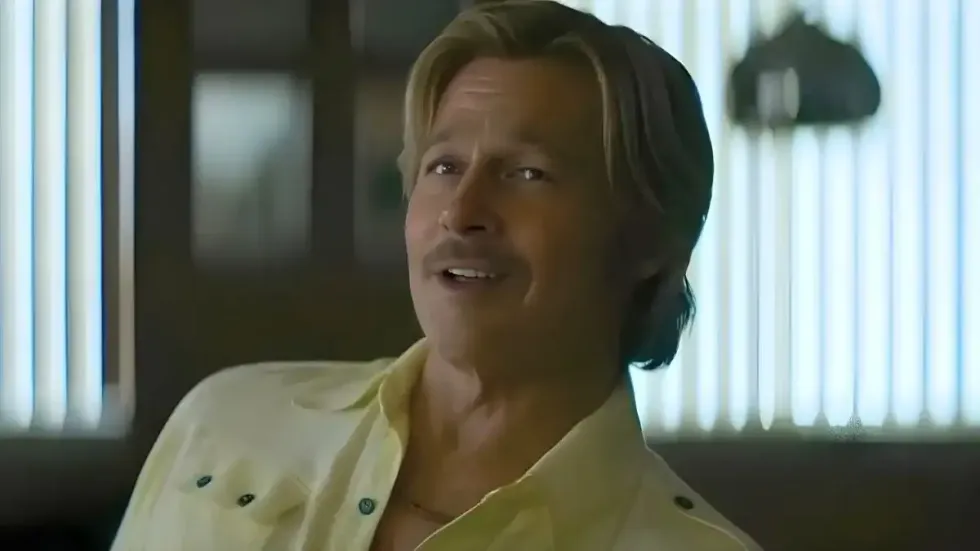
My most anticipated movie of the year is easily the David Fincher and Quentin Tarantino collaboration, The Further Misadventures of Cliff Booth. It's a pseudo-sequel to Once Upon a Time... in Hollywood, and it brings back Brad Pitt's stuntman character for a mystery in 70s Los Angeles that's sure to be one of the most talked-about movies in a while.
Everything from Netflix paying $20 million for the script, to the limited IMAX release, to Tarantino letting someone else touch his work has been a fascinating study in auteurism.
Let's dive in.
How Fincher and Tarantino Collaborated
When Tarantino gave Fincher the script for Cliff Booth, it was a 230-page behemoth that took Pitt's character and gave him a Los Angeles experience all his own.
So, how did two of the greatest filmmakers of all time work together to get that massive story to the big screen? They told Empire:
Fincher: The first draft I read was 230 pages. It was essentially two movies. And somewhere in there was the Venn diagram of what Brad wanted to do, what I want to do, what Quentin wanted to do. Not “want to do”, but the areas we would focus on. I liked the idea that it’s a story around a bonfire. It wasn’t about the plot as much as it was about how the participants collided with one another in the back alleys of Hollywood in 1977. Just the 60 pages we cut informed a lot about that time.
Tarantino: I take these giant novels I write and I adapt them into a movie every single solitary day of the shoot. And now David and I had to do that [beforehand].
For Tarantino, script length is part of his process. He said in that Empire article that he often treats his massive screenplays like novels that he adapts live on set every day.
…