What Happened to the Mid-Budget War Film?
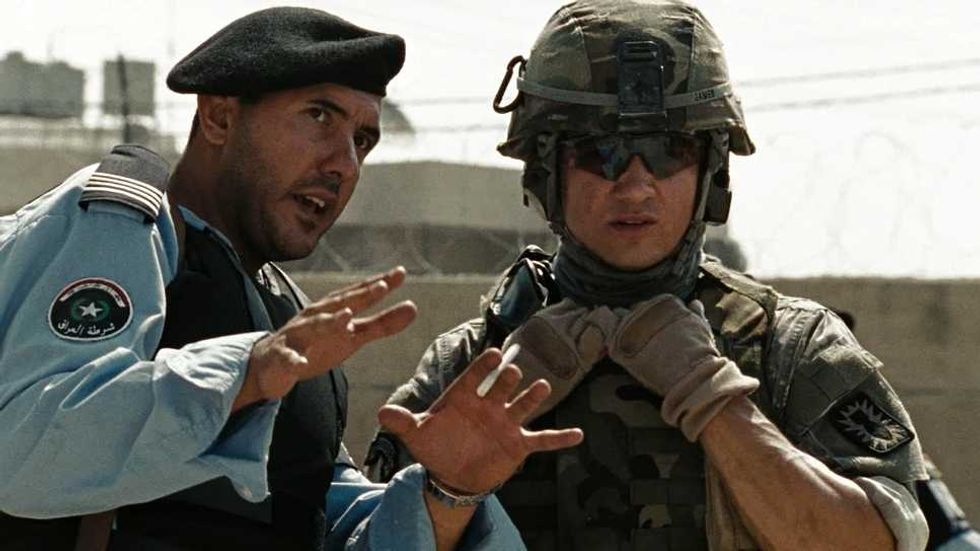
I am old enough to remember when we got at least one theatrical war movie a year, and maybe even a couple more indies that got a limited release.
These were often disguised as action movies or another genre, and usually gave an actor a chance to get their face seen by a lot of people, or a director a chance to show their teeth before demanding a higher budget.
Examples include The Hurt Locker (2008), Three Kings (1999), and even Platoon (1986). These films relied on gritty realism and morally complex screenplays to draw in audiences.
Sometimes, they made big bucks at the box office and could be a cash cow for studios trying to hit the Dad demo.
But now, we never really see these releases. If we do, they feel like they're straight to streamers, or have absolutely minuscule budgets.
So, what happened to the mid-budget war film?
Let's dive in.
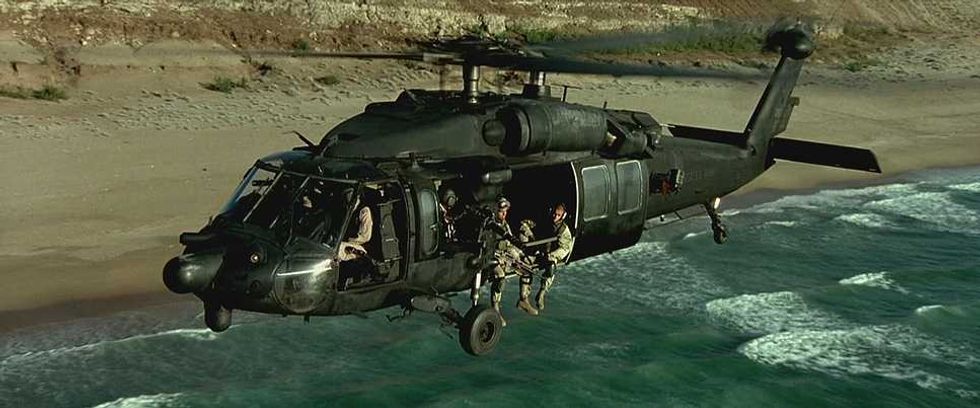 'Black Hawk Down' Credit: Fox
1. The Collapse of the Home Video Safety Net
I once had hundreds of DVDs, and many of them were war movies. I would buy them at FYE or Best Buy, and I was not alone. DVD and VHS sales fueled much of what Hollywood made, because studios knew that if a movie didn't make money at the box office, people would buy or rent it later.
While we still have digital and Blu-rays, we see a much lower haul because physical media collapsed and SVOD (Subscription Video On Demand) boomed.
Streaming platforms pay flat licensing fees rather than per-unit royalties, which eliminated the long-tail profitability that used to protect mid-tier film slates.
That safety net disappeared, and it altered what people were willing to greenlight.
2. Practical Warfare vs. The Visual Effects Ceiling
Now, even with a ton of technical advancements in recent years, war films are pretty expensive to make. You need:
…