What Happens When You Learn Everyone in Your Film is a Liar?
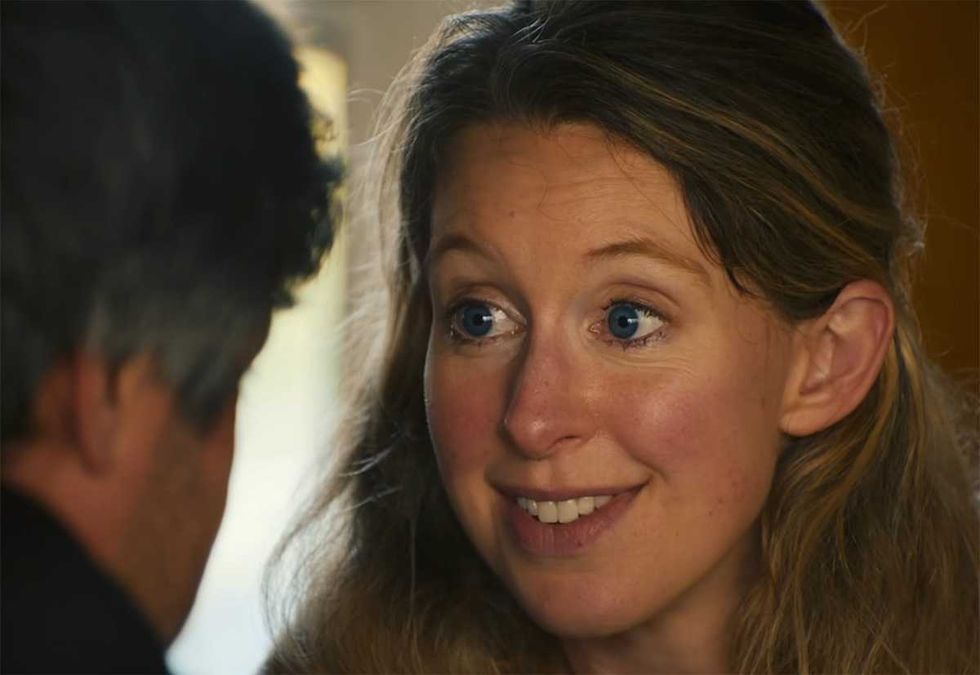
Nathan Fielder’s new documentary, You Can See Everything, has exploded box office revenues by giving audiences a ringside seat to the cat-and-mouse game he plays with his central interviewee, Elizabeth Holmes, a convicted Theranos fraudster.
But as documentary filmmakers, we should not take Fielder’s fine film at face value. He’s not the only documentarian confronting a main character who has trouble with the truth. No, Fielder is challenging all of us documentarians to answer a much more profound question: What happens when you realize that the subject of your film is lying? In fact, it is a problem for every single one of us.
Truth and Lies
In the case of You Can See Everything, this issue is set out in stark relief. Holmes’s trial, numerous podcasts, and the made-for-streaming docudrama The Dropout all have made her story known to many. All these explorations, as well as Fielder’s new one, pose the same question: Is Holmes a master of lies or self-delusion? We’re never quite sure.
Holmes is an easy target for this inquiry because she is so smart and so wily that it took years for authorities to uncover her duplicity. Normally, a subject’s internal mystery isn’t quite so well defined or hard to track. Most of our documentary subjects are much less sophisticated, much more likable, and far less canny. But they, too, are liars. Maybe not intentionally so, but they are liars (as a courtesy we can call them “non-truth-tellers”) all the same.
…