New in FrameCourier: How Our Latest Features Fit Into Your Studio’s Real Workflow
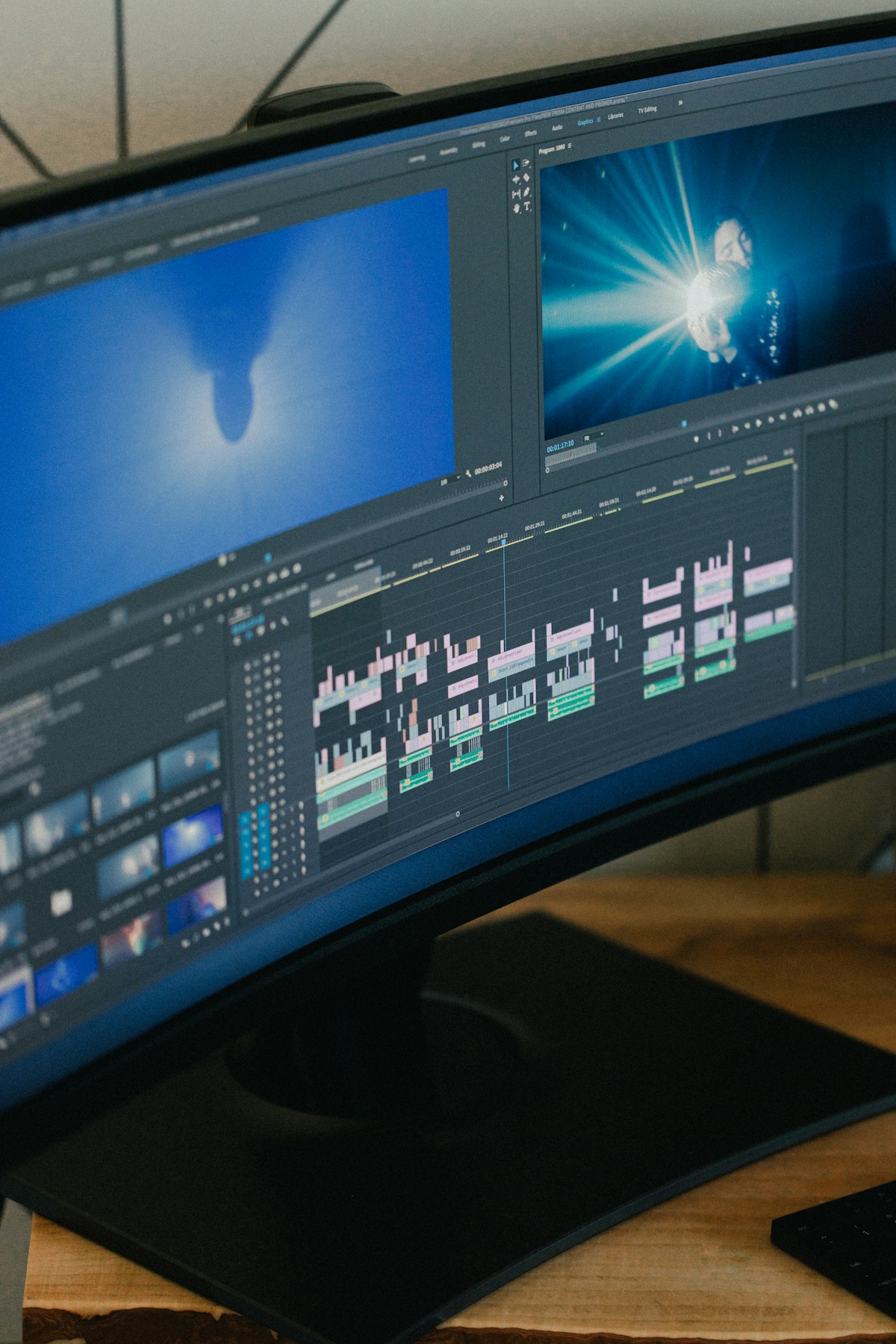
It is easy to be skeptical of a features roundup. Most of them read like a changelog with adjectives added, a list of things that shipped without much sense of why any of them matter to the actual job of running a studio. This is not that. Every feature below earns its place because it slots into a specific moment in the work you already do, from the moment you dump a card to the weeks after a client has their files. Here is where each one fits.
The moment you sit down with a full card
Every shoot ends the same way: hundreds or thousands of files sitting in a folder, and the immediate need to find the handful that matter without scrubbing through everything by eye. This is the stage where AI photo tagging does its quiet work. As photos upload, a vision model reads each one and populates searchable metadata automatically, subjects, settings, notable details, the sort of thing you would otherwise have to keyword by hand or simply never bother tagging at all. Paired with it is a newer addition, an AI pick score computed for every photo, a quality signal the same vision pass generates and quietly uses to boost your strongest shots when you search. You are not doing anything differently to get either of these; they happen in the background the moment photos land.
The payoff shows up the next time you need something specific. Unified search reaches across every gallery and video collection a company has ever delivered, matching against tags, descriptions, AI-generated metadata, and even video transcripts in one query. Ask for a client's name and a keyword, and it surfaces the right gallery instead of you remembering which of forty folders it lives in. For a studio with years of delivered work sitting in the account, this turns a five-minute hunt into a five-second one.
…
Read the full story at FrameCourier
Related stories

News · DIY Photography
World’s Largest Optical Telescope ELT Tilts for the First Time
News · Newsshooter
Canon EOS C50 168-Hour Continuous Recording Challenge

News · DIY Photography
