Anamorphic Vertical Video – Vertiscope
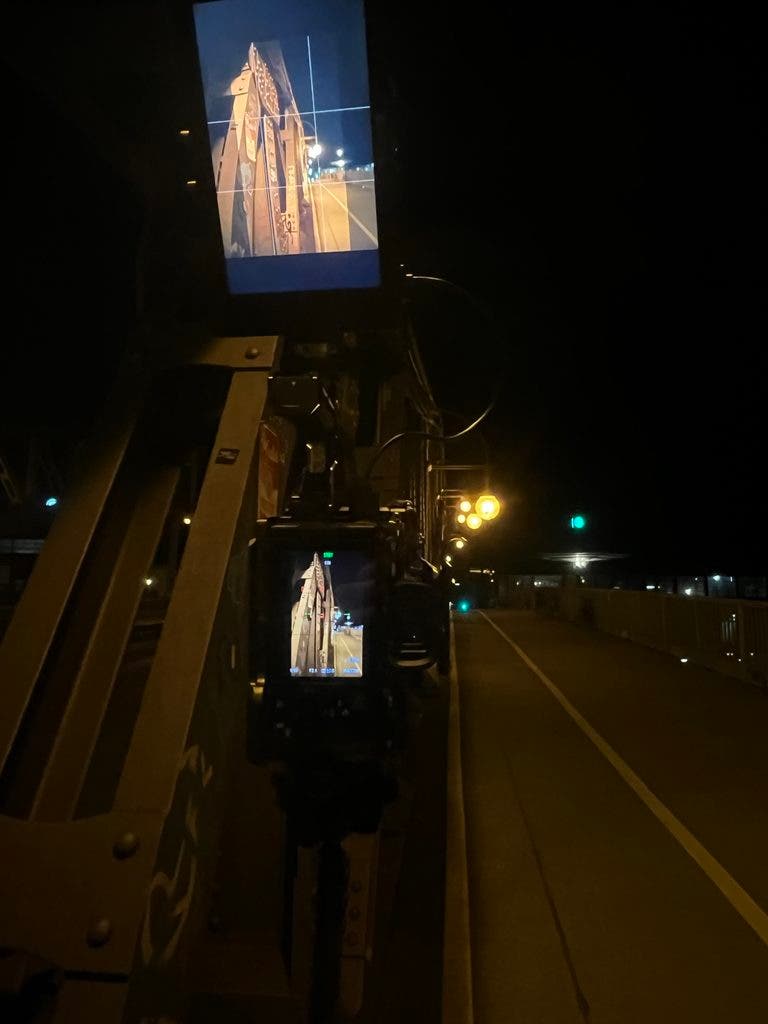
I had three DZOFilm Arcana 1.5x anamorphic lenses on loan and a shoot I had been wanting to do for a while: the very late, nearly abandoned Berlin streets. This footage was intended for Instagram, which meant 9:16. So when I got the Arcanas, I wanted to test a technique I’d read about called vertiscope.
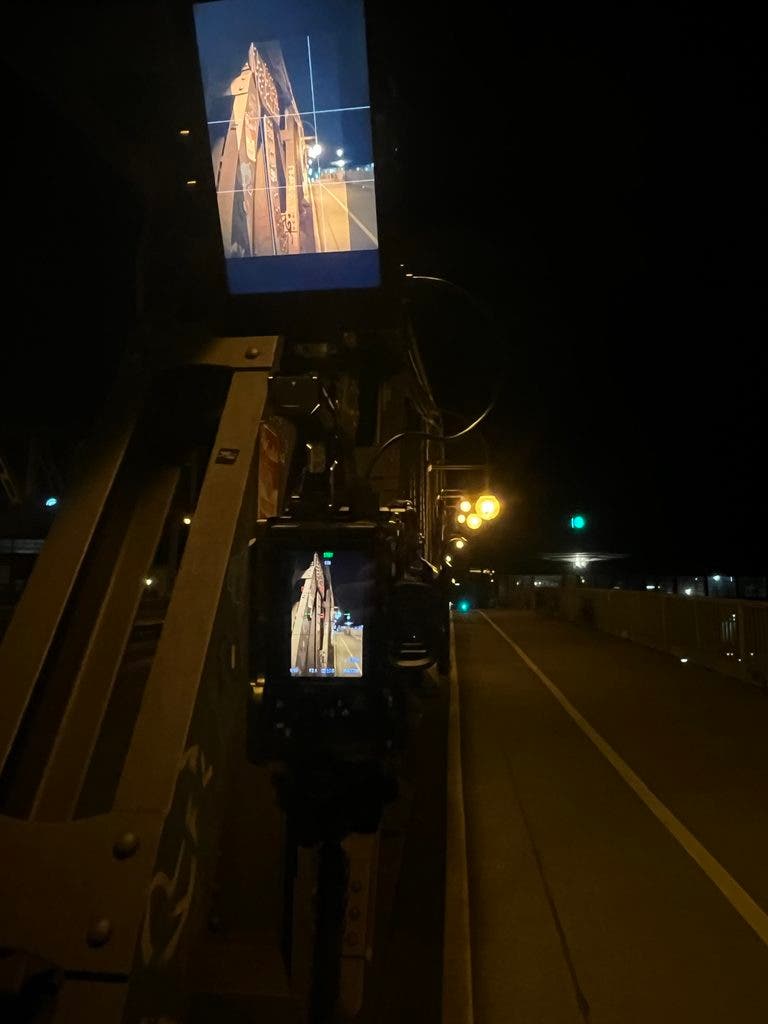
This technique keeps the lens mounted normally while the camera body is rotated for vertical shooting. The anamorphic characteristics such as the flares, separation, and the bokeh carry into a vertical frame instead of getting cropped out of a horizontal one.
I am using my Sony a7RV, which captures video by cropping the sensor to give you a 16:9 or 9:16 aspect ratio for vertical shooting. There’s no open-gate option for my camera, which means I wasn’t capturing the full sensor area these lenses could take advantage of. A camera with open-gate recording, like Panasonic’s LUMIX S1 II, or the new Sony FX5, would give you more vertical information to work with before you ever get to the crop. I didn’t have one of those, so I knew I would lose some information. I had my Sony a7RV, the three DZO lenses, an E to PL adapter, and a long, peaceful summer night biking around Berlin.
What Vertiscope Actually Means
Vertiscope isn’t an official term. It’s a relatively new name that got into the filmmaking vernacular for a specific approach: shooting anamorphic for a vertical frame by rotating the camera body 90° while the lens stays mounted the normal way. The squeeze itself doesn’t change. Your glass still squeezes along its own horizontal axis, exactly as it would in a 16:9 setup. What changes is that this axis now runs along the short side of your frame instead of the long one.
…
Read the full story at Adorama Learning Center
Related stories
Video · Adorama Learning Center
How to Use Open Gate to Improve Your Videos
Video · Adorama Learning Center
The Art of Reframing: A Creator’s Guide to 360 Video Editing
Video · Adorama Learning Center
The Cork Bros on the Future of Storytelling, One Vertical Frame at a Time
Video · Adorama Learning Center